
You’re texting with a friend, and out of nowhere they reply with “YWA.” You stare at it for a second. What does that even mean? Is it friendly? Are they annoyed? Did autocorrect betray them again?
You’re not alone. Internet slang moves fast, and abbreviations like YWA pop up before most people have time to catch up. Whether you spotted it on Snapchat, Instagram DMs, message, or even TikTok comments, this guide will break down everything you need to know what YWA means in text, how tone completely changes its message, when it’s okay to use it, and smarter alternatives when YWA might send the wrong signal.
What Does YWA Mean in Text?
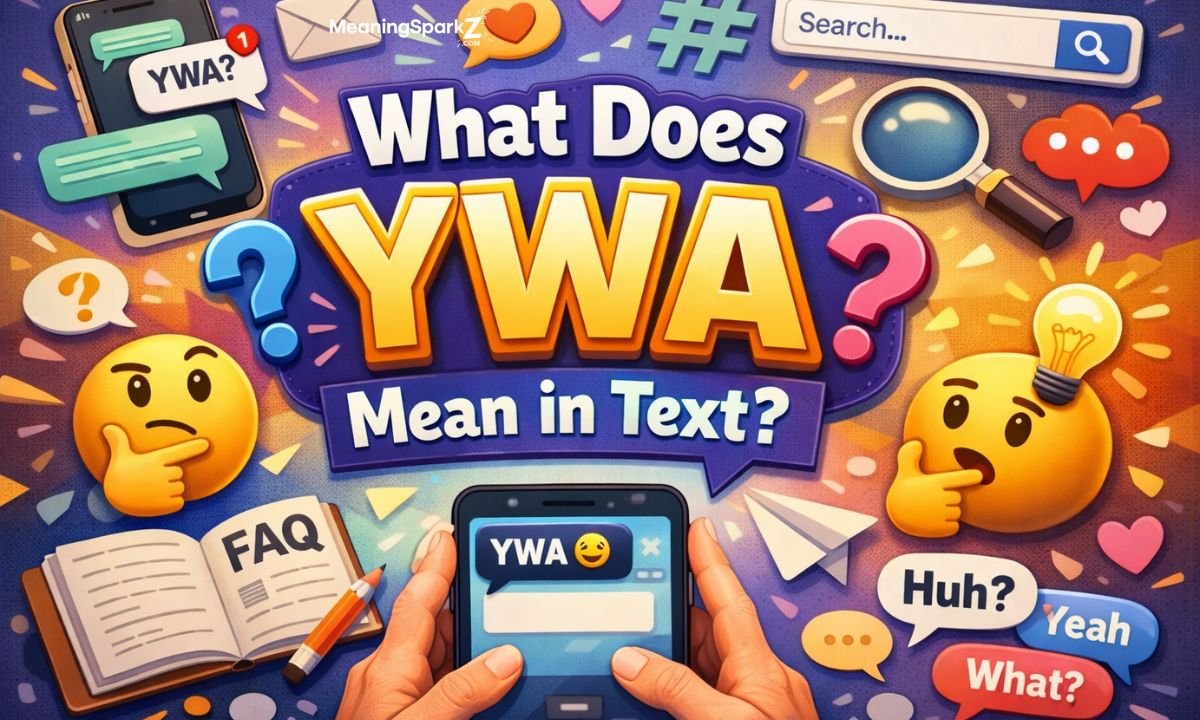
YWA stands for “You’re Welcome Anyway.”
It’s a short, casual reply used in texting and online chats usually in response to someone thanking you, apologizing for an inconvenience, or in situations where your help didn’t fully land the way you expected. At its core, it’s the digital equivalent of shrugging and saying, “Hey, no problem I tried.”
Basic Example:
Alex: Thanks for looking into that for me, even though it didn’t work out. Jamie: YWA! Don’t stress about it.
Simple enough, right? But here’s the thing YWA is one of those abbreviations that carries very different energy depending on how it’s used. A single three-letter reply can be warm, dismissive, sarcastic, or passive-aggressive based purely on context.
Quick Comparison
| Abbreviation | Full Form | Tone |
| YWA | You’re Welcome Anyway | Casual, can be sarcastic |
| YW | You’re Welcome | Standard, polite |
| NP | No Problem | Friendly, easygoing |
| YWIA | You’re Welcome In Advance | Confident, sometimes cheeky |
| IKR | I Know, Right? | Agreement, casual |
| NBD | No Big Deal | Downplaying the effort |
How Tone Changes the Meaning of YWA
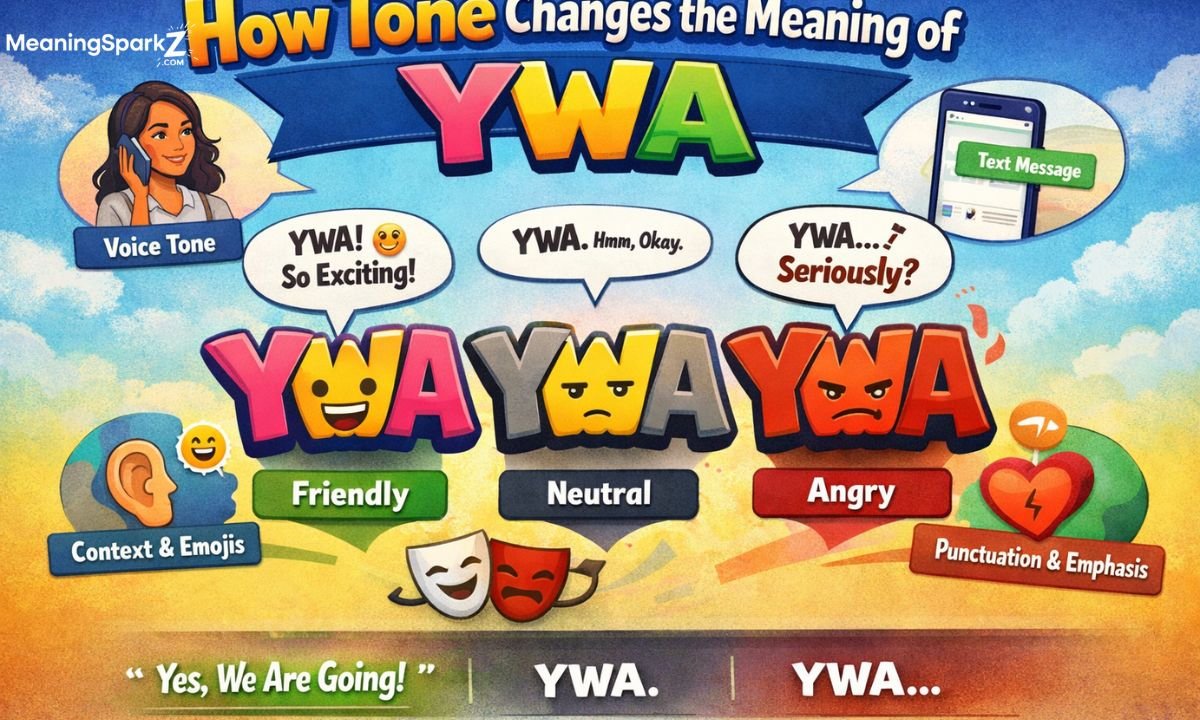
This is where YWA gets interesting and potentially tricky. The same three letters can communicate completely different emotions. Context and tone do all the heavy lifting.
Friendly Tone
When used with a light touch, maybe an emoji, or paired with a warm follow-up message YWA reads as genuine and kind. It says: “I was happy to help, even if things didn’t work out perfectly.”
Sam: Ugh, the restaurant was closed. Sorry for dragging you out. Jordan: YWA We found that taco truck though, so totally worth it.
Neutral Tone
Sometimes YWA is just a quick acknowledgement. No warmth, no coldness, just a short reply that wraps up a conversation cleanly.
User 1: Oh, you already sorted it. Thanks anyway. User 2: YWA.
Sassy or Passive-Aggressive Tone
This is where things get complicated. Without any warmth behind it, YWA can easily come across as petty or passive-aggressive especially if someone didn’t thank you, rejected your advice, or took your help for granted.
User 1: I figured it out myself. User 2: YWA.
See how that lands? That second reply stings a little. It’s the text equivalent of a tight smile. Used this way, YWA communicates mild irritation dressed up as politeness.
See also: Trim Meaning Slang – What It Really Means in Text (Complete 2026 Guide)
Common Feelings Behind YWA
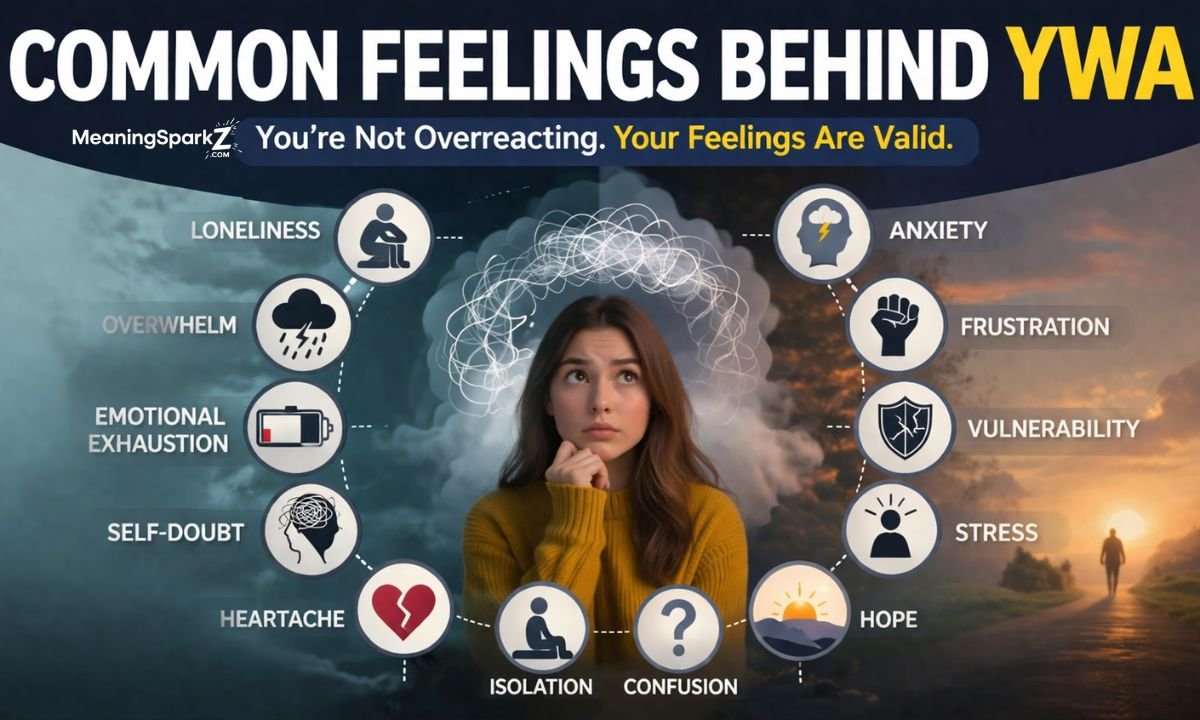
Understanding why someone sends YWA matters just as much as knowing what it means. Here are the most common emotional motivations behind the phrase:
- Genuine warmth: They’re truly fine with how things went and want to leave on a good note
- Mild disappointment: Their help didn’t land, and they’re acknowledging that fact without making a scene
- Sarcasm or subtle shade: They feel unappreciated and this is their low-key way of showing it
- Dismissiveness: They want to close the topic quickly and move on
- Humility:They’re downplaying their own effort and don’t want a fuss
The same abbreviation. Wildly different emotional range.
See also: What Does JSP Mean? Full Form, Uses & Real-Life Examples
YWA Meaning — Yoga
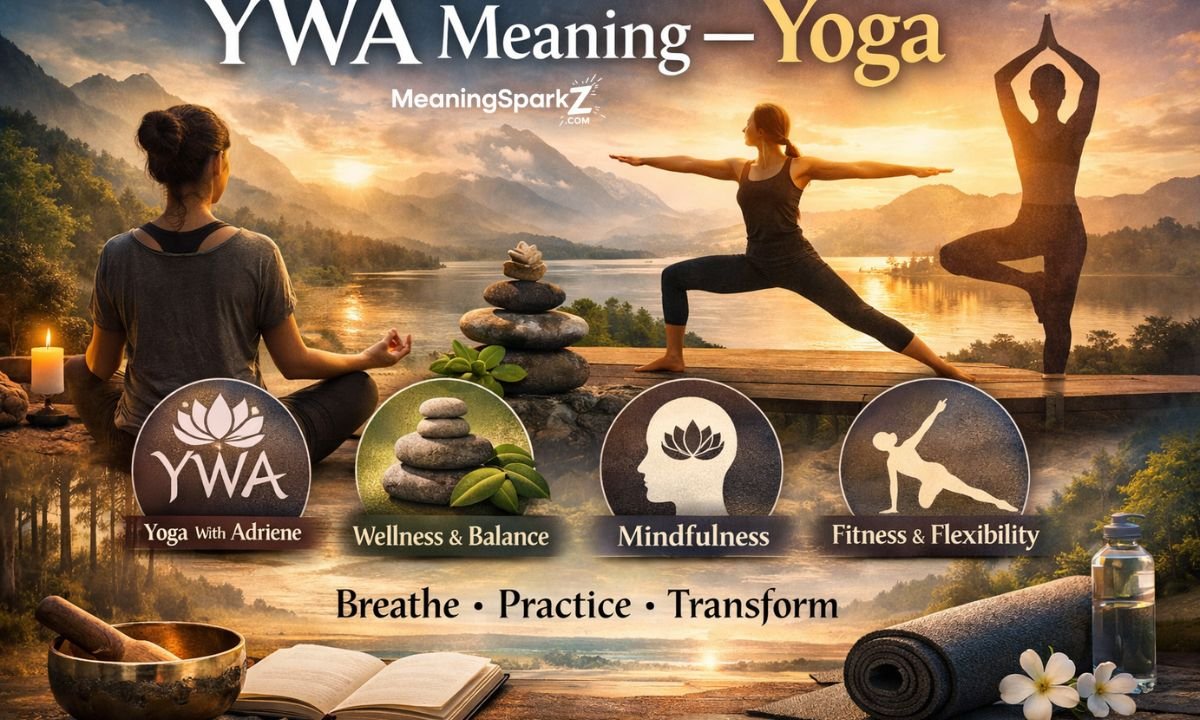
If you’ve spent any time in the wellness corner of YouTube or Instagram, YWA also means “Yoga With Adriene”: a massively popular free yoga channel run by Adriene Mishler. With tens of millions of subscribers, the YWA community is huge, and the hashtag #YWA is regularly used across social platforms by people logging their practice, sharing class recommendations, or cheering on others in their yoga journey.
So if someone in a fitness group or wellness space drops “YWA,” they might not be talking about texting slang at all they’re probably referencing their favorite yoga instructor.
YWA Meaning Slang — Urban Dictionary
According to Urban Dictionary, YWA has been documented with a few different meanings over the years. The most widely accepted definition aligns with “You’re Welcome Anyway,” though user submissions have also associated it with phrases like “Yeah, Whatever, Anyway” — used dismissively when someone wants to brush off a topic and even “You’re Worth Appreciating,” though that interpretation is rare and not widely adopted.
The Urban Dictionary entries reflect what makes internet slang so dynamic: meaning shifts with community, context, and time. What YWA meant in a gaming forum in 2013 might feel slightly different from how Gen Z uses it on TikTok in 2026.
See also: BD Meaning in Text: What Does “BD” Mean in Messages? (Full Guide 2026)
What Does YWA Mean From a Girl?
When a girl sends YWA in a text, the meaning is almost always the same as the general definition “You’re Welcome Anyway” but the energy behind it varies based on the relationship and the situation.
- From a close friend: It’s usually playful and relaxed. She’s not bothered; she just wants to acknowledge the moment without overthinking it.
- From someone you’re getting to know: It can signal she’s easygoing and uses casual texting language comfortably.
- After you rejected her advice or didn’t take her help seriously: It might carry a light sting. Think of it as her polite way of noting that she did try.
- In a flirty context: Paired with an emoji or a teasing follow-up, YWA can be light and fun a way of keeping conversation breezy.
The bottom line? Don’t read too deep into it. YWA from a girl doesn’t carry a coded romantic or negative meaning on its own. Read the full conversation, not just the three letters.
When Should You Use YWA?
YWA works best in casual, low-stakes digital conversations between people who know each other. It’s friendly shorthand not formal language, and not something you’d drop in a professional email or a message to someone you’ve just met.
Scenarios Where YWA Fits Perfectly
- Someone thanks you for advice that turned out to be irrelevant
- A friend apologizes for not needing your help after all
- You tried to help solve a problem and it worked out differently than expected
- You want to close a conversation warmly without getting into detail
- You’re keeping the vibe light after a minor miscommunication
✅ Good Uses vs ❌ Bad Uses of YWA
| ✅ Good Uses | ❌ Bad Uses |
| Replying to a friend who over-apologized | Sending it to a coworker or manager |
| Closing a casual chat warmly | Using it sarcastically when you’re actually upset |
| Responding to an unnecessary “thanks” | Sending to someone you don’t know well |
| Keeping the tone light after mild inconvenience | Using it as a passive-aggressive comeback |
| Among close friends who understand your style | First messages in a new relationship or friendship |
Where You’ll See YWA Most Often
YWA has found its natural habitat across several platforms:
- Snapchat: The casual, disappearing nature of Snap chats makes short slang like YWA a natural fit
- Instagram DMs: Commonly used in response threads or story replies
- iMessage & WhatsApp: Especially among close friend groups
- Twitter/x: Occasionally in replies when someone’s over-thanking or brushing off gratitude
- TikTok comments: Where slang evolves fastest and gets recycled into new meanings constantly
- Gaming chats: Discord and in-game chats where quick abbreviations are standard
Alternatives to YWA (Friendly, Casual & Professional Options)
One of the best ways to communicate clearly is knowing when not to use a term that might be misread. Here are better alternatives depending on what you actually want to convey.
✅ Positive & Friendly Alternatives
- “No worries at all!” Warm and genuine, zero ambiguity
- “Happy to help anytime” Leaves the door open, feels inviting
- “Of course! That’s what I’m here for.” Confident and caring
- “Anytime! Glad we figured it out.” Wraps things up on a positive note
✅ Casual & Easy-Going Alternatives
- “NP!” (No Problem) Short, clean, and universally understood
- “All good!” Easygoing and zero drama
- “Don’t even mention it” Friendly and dismissive in the best way
- “Lol it’s fine, seriously” Works when you want to add a little humor
✅ Supportive Follow-Up Options
- “Glad it worked out let me know if you need anything else” Shows you genuinely care
- “I’ve got you if you need help again” Builds trust without being heavy
- “That’s what friends are for!” Warm and relationship-affirming
✅ Pulling Back (But Still Polite)
Sometimes you need to acknowledge a situation without being too warm especially if you’re mildly frustrated:
- “It’s fine.” Neutral and clear
- “No problem, hopefully it works out.” Non-committal but still civil
- “Sure, take care.” Clean exit without any edge
✅ Professional Alternatives (Work-Safe Replies)
YWA has no place in professional communication. Instead, use:
- “Not at all happy to help.”
- “Of course, feel free to reach out if you need further assistance.”
- “No trouble whatsoever.”
- “My pleasure.”
Why YWA Can Send the Wrong Message
Even with the best intentions, YWA carries risks especially in digital communication where there’s no tone of voice, no facial expression, and no body language to soften the edges.
Here’s why it sometimes backfires:
- Brevity reads as coldness. In text, short replies often feel clipped or dismissive, even when that wasn’t the intent.
- The word “anyway” has a loaded edge. In everyday speech, “anyway” can carry an undertone of resignation like you’re reluctantly accepting something. “You’re welcome anyway” subtly implies things didn’t go as you hoped.
- Context collapse. What works between best friends can come across as rude to a newer acquaintance who doesn’t know your communication style yet.
- No emoji = no warmth. A plain “YWA” with no emoji or follow-up can feel like a door closing abruptly.
How To Know if YWA Is Appropriate
Before you type YWA, run through this quick mental checklist:
- Do we know each other well enough for casual slang? If yes, you’re probably fine.
- Am I actually fine with the situation, or am I using YWA as a subtle shade? Be honest. If you’re annoyed, it’ll show.
- Would this land better with a warmer word or an emoji? Often, yes.
- Is this a professional or semi-professional relationship? If so, skip YWA entirely.
- Would I say “you’re welcome anyway” out loud to this person? If that would feel weird, don’t type it either.
Examples of Better Replies in Common Situations
Example 1: They Ignore Your Suggestion
Situation: You gave a friend solid advice; they went a different route and it didn’t work out. ❌ “YWA.” (Cold, passive-aggressive) ✅ “Hey, it happens I’m here if you want to figure out a next step together.”
Example 2: They Fix the Problem Alone
Situation: You offered help but they solved it before you could respond. ❌ “YWA” (Abrupt, slightly salty) ✅ “Oh nice, you sorted it! That’s great still here if anything else comes up.”
Example 3: They Forgot To Thank You
Situation: You did something helpful and they moved on without acknowledging it. ❌ “YWA” (Passive-aggressive reminder) ✅ Say nothing, or if it keeps happening: “Hey, just checking did that help? I wanted to make sure it worked for you.”
Example 4: They Reject Your Guidance
Situation: You shared advice, they pushed back or dismissed it. ❌ “YWA” (Comes off bitter) ✅ “No worries you know your situation best. Good luck with it!”
Example 5: Your Timing Was Late
Situation: You replied too late and they’d already moved on. ❌ “YWA” (Feels defensive) ✅ “Sorry I was slow on that one! Glad it worked out anyway”
Frequently Asked Questions
Q: What does YWA stand for in texting?
YWA stands for “You’re Welcome Anyway” a casual, sometimes sarcastic response used when someone thanks you or when your help didn’t fully work out as planned.
Q: Is YWA rude?
It depends entirely on tone and context. Between close friends, it’s usually light and friendly. Sent in a flat, abrupt way, it can read as passive-aggressive or dismissive.
Q: What does YWA mean on Snapchat?
On Snapchat, YWA means “You’re Welcome Anyway” commonly used as a quick, casual reply in chat conversations.
Q: What does YWA mean from a guy?
Same as the general meaning “You’re Welcome Anyway.” Guys typically use it as a breezy, low-effort acknowledgment without deeper subtext.
Q: Does YWA have other meanings?
Yes YWA also refers to “Yoga With Adriene,” a hugely popular YouTube wellness channel. Context makes it clear which meaning applies.
Q: Can I use YWA at work?
No. YWA is casual slang and not appropriate in professional or semi-professional communication. Use formal alternatives like “Happy to help” or “Not at all.”
Q: What is the difference between YW and YWA?
YW (“You’re Welcome”) is a straightforward, polite reply. YWA (“You’re Welcome Anyway”) adds an extra layer implying your help may not have fully hit the mark, or acknowledging that circumstances changed.
Q: Is YWA used on Instagram?
Yes. YWA appears in Instagram DMs and comment replies, typically in casual conversations between friends or followers who share a comfortable, informal dynamic.
Conclusion
YWA is a small abbreviation with a surprisingly wide emotional range. At its most basic, it means “You’re Welcome Anyway” a quick, informal reply for moments when thanks feel unnecessary or when help didn’t go exactly as planned. But like most internet slang, the real meaning lives in the tone, the relationship, and the context around it.
Use it warmly with close friends, and it’s perfectly fine. Send it bluntly when you’re frustrated, and it quietly broadcasts that frustration whether you meant it to or not. And in any professional setting? Leave it out entirely.
Now that you know exactly what YWA means in text, how tone shapes it, and what to say instead when it might miss the mark you’re equipped to communicate with more clarity and intention in every conversation. Language evolves constantly, and staying a step ahead of it makes every interaction that much smoother.

I am a dedicated writer With over 4 years of experience researching language, symbolism, and interpretations, the author shares clear and insightful content for readers.Through Meaningsparkz, the goal is to make complex meanings simple, engaging, and easy to understand. Each article is carefully crafted to provide accurate explanations and valuable knowledge for curious minds.

