

Every traveler eventually asks the same question: which trip actually deserves a spot on a lifetime bucket list? Among the unforgettable things you need to experience at least once, a visit to Savannah, Georgia stands out for its blend of Southern charm, moss-draped history, and coastal adventure.
Founded in 1733, Savannah is one of the oldest planned cities in the United States, and it still feels like a living museum. In this guide, you will learn exactly where to go, what to eat, and how to plan a trip that checks every box on your travel wish list.
The Challenge: Where Should We Go?
Choosing a destination that offers history, food, nature, and nightlife in one place is harder than it sounds. Many cities specialize in one experience but fall short on the rest. Savannah solves that problem by packing 22 historic squares, award-winning restaurants, and protected wildlife refuges into a walkable footprint.
According to travel industry reports, Savannah welcomes more than 17 million visitors annually, a number that reflects its growing reputation as a top U.S. destination. Additionally, its central coastal location makes it an easy add-on to a Georgia or South Carolina road trip, connecting Charleston, Hilton Head, and Jacksonville within a few hours’ drive.
25 Unforgettable Things You Need to Do in Savannah, Georgia
Savannah rewards travelers who mix structured sightseeing with spontaneous exploration. The historic district alone contains 22 park-like squares, each with its own monuments, fountains, and oak canopies, making a self-guided walking tour one of the most rewarding free activities in the city.
Beyond the squares, Savannah’s proximity to the Atlantic coast means beach days, wildlife tours, and river cruises are all within a short drive. The list below covers the 13 experiences locals and repeat visitors recommend most, ranging from historic landmarks to under-the-radar nature spots.
Wormsloe State Historic Site
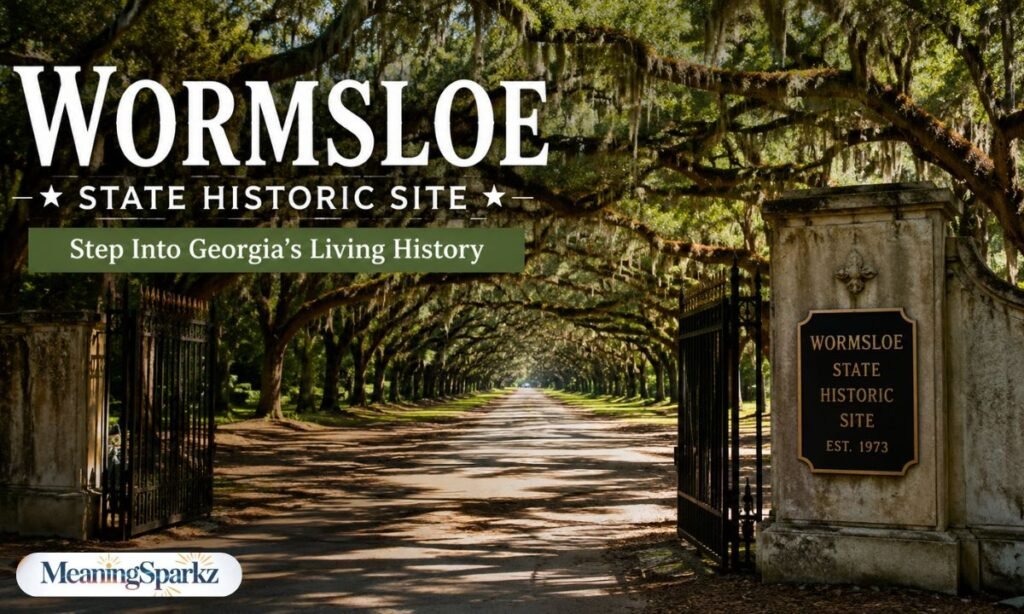
Wormsloe State Historic Site preserves the colonial estate of Noble Jones, one of Georgia’s original settlers who arrived with James Oglethorpe in 1733. The site’s most photographed feature is a 1.5-mile avenue lined with roughly 400 live oak trees planted in the early 1900s, creating a tunnel-like canopy dripping with Spanish moss.
Visitors can also explore the ruins of Jones’s original fortified house, a museum with colonial artifacts, and nature trails leading to the Skidaway Narrows. Costumed interpreters demonstrate colonial-era skills on select weekends, adding an educational layer that appeals to history buffs and families alike.
Bonaventure Cemetery
Bonaventure Cemetery sits along the Wilmington River and dates back to 1846, making it one of the most historically significant burial grounds in the American South. Its winding paths, Victorian-era statuary, and towering oaks draped in moss have made it a favorite subject for photographers and a filming location referenced in popular literature about Savannah.
Notable figures buried here include songwriter Johnny Mercer and poet Conrad Aiken. Self-guided maps are available at the entrance, though many visitors prefer a guided tour to learn the stories behind specific memorials, including the famous “Bird Girl” statue that once stood at the Trosdal family plot.
PRO TIP: Get Combination Tickets Whenever Possible to Save Money
Savannah’s top attractions frequently offer bundled ticketing, and taking advantage of these packages can meaningfully lower your total trip cost. Combination passes often include entry to multiple house museums, a trolley tour, and a riverboat cruise for one discounted rate.
Booking combo tickets in advance also reduces wait times, since many popular sites cap daily visitor numbers. Checking official tourism websites before your trip, rather than buying individual tickets on-site, typically saves both money and time during peak travel seasons like spring and fall.
Click Here To Read More…
Segway Tour
A guided Segway tour offers an efficient way to cover Savannah’s historic district, typically hitting eight to ten squares within a two-hour route. Guides share stories about the city’s founding, its role in the Revolutionary and Civil Wars, and architectural details easy to miss on foot.
Most tour operators provide a 15-minute training session before departure, making the experience accessible even for first-time riders. Early morning tours are especially popular because they avoid both the midday heat and heavier pedestrian traffic downtown.
Harris Neck National Wildlife Refuge
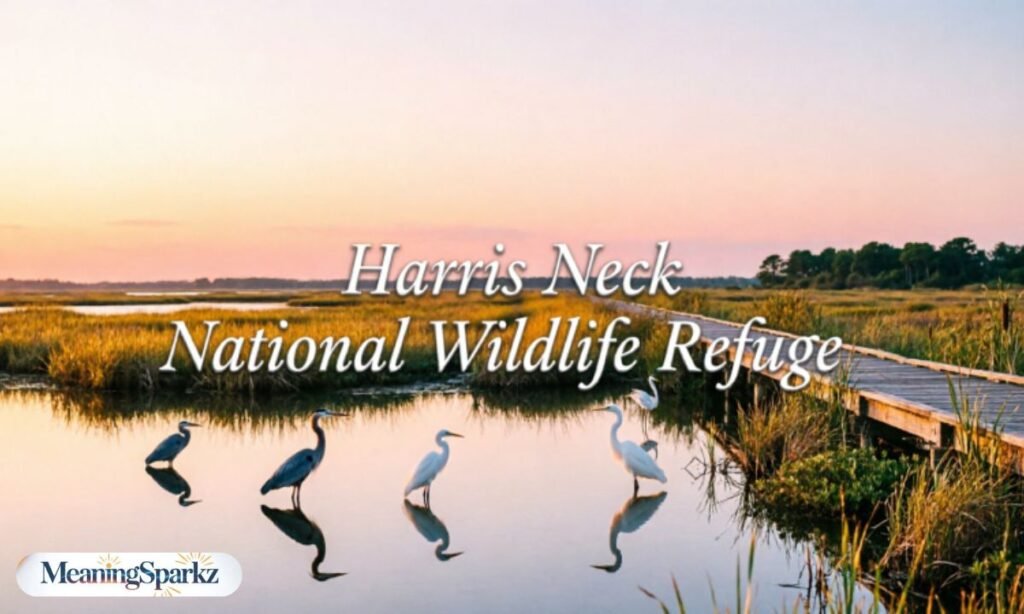
Located about 45 minutes south of downtown Savannah, Harris Neck National Wildlife Refuge spans over 2,800 acres of marsh, forest, and open fields. The refuge is part of the Colonial Coast Birding Trail and hosts more than 348 recorded bird species, including wood storks, painted buntings, and bald eagles.
The four-mile wildlife drive is free and open year-round, making it an easy half-day trip for nature photographers. Alligators are commonly spotted in the freshwater ponds, so visitors are advised to stay on designated paths and observe posted safety signage throughout the refuge.
Riverboat and City Tour
A riverboat cruise along the Savannah River provides a different perspective on the city’s skyline, cargo port, and historic waterfront buildings. Many cruises include narrated history covering the port’s role in the cotton trade during the 19th century, when Savannah was one of the busiest export hubs in the country.
Dinner cruises and sightseeing options both run daily, with evening departures offering sunset views over the river. Pairing a riverboat tour with a land-based city tour gives visitors a complete picture of how Savannah’s economy and layout evolved from colonial settlement to modern port city.
Savannah’s River Street
River Street runs along the Savannah River and is paved with original ballast stones once used to stabilize 18th-century cargo ships. Today, the cobblestone stretch is lined with candy shops, art galleries, restaurants, and converted cotton warehouses that now serve as boutique retail spaces.
Street performers and live music are common on weekends, and the riverfront walkway offers unobstructed views of passing cargo ships heading to the Georgia Ports Authority terminal. Evening visits are particularly popular, when string lights and restaurant patios create one of Savannah’s most photographed nighttime scenes.
Unique Bucket List Ideas
Beyond the standard tourist stops, Savannah offers experiences that rarely appear on generic travel lists. Ghost tours are especially popular here, since Savannah is frequently cited by paranormal researchers as one of the most haunted cities in America due to its layered colonial and Civil War-era history.
Other unique options include kayaking through the Isle of Hope marshes, taking a horse-drawn carriage tour through the historic district, or joining a Gullah Geechee cultural tour that explores the traditions of coastal Georgia’s Lowcountry communities. Each option adds context you cannot get from a typical sightseeing checklist.
Cathedral of St. John the Baptist
The Cathedral of St. John the Baptist is one of Savannah’s most recognizable landmarks, with twin Gothic spires visible throughout the historic district. The current structure was rebuilt in 1899 after a fire destroyed the original 1876 building, and it remains the seat of the Diocese of Savannah.
Inside, visitors can view French stained-glass windows and hand-painted ceiling murals depicting biblical scenes. The cathedral is open daily to visitors outside of active services, and its interior is widely regarded as one of the finest examples of French Gothic architecture in the American South.
Forsyth Park
Forsyth Park spans 30 acres and anchors the southern end of Savannah’s historic district. Its centerpiece, a cast-iron fountain installed in 1858, has become one of the most photographed landmarks in the city and frequently appears in wedding and engagement photography.
The park also hosts a Saturday farmers market, seasonal festivals, and a fragrant garden built specifically for visitors with visual impairments. Wide walking paths beneath century-old oaks make it a popular spot for morning runs, picnics, and simply slowing down between sightseeing stops.
Try Southern Food

No trip to Savannah is complete without sampling authentic Lowcountry and Southern cuisine, which blends African, Caribbean, and European culinary traditions dating back centuries. Staples include shrimp and grits, fried green tomatoes, she-crab soup, and slow-cooked collard greens.
Savannah’s food scene has earned national recognition, with several local chefs receiving James Beard Award nominations in recent years. Trying a mix of casual meat-and-three restaurants alongside upscale dining rooms gives visitors the clearest sense of how deeply food is woven into the city’s identity.
Clary’s Cafe: 404 Abercorn St. Savannah, GA
Clary’s Cafe has served Savannah since 1903 and remains a beloved breakfast and brunch spot known for its classic diner fare and consistently generous portions. The restaurant gained additional fame after being featured in the bestselling book “Midnight in the Garden of Good and Evil.”
Expect a wait on weekend mornings, as locals and tourists alike line up for its pancakes, omelets, and Southern-style biscuits.
Mirabelle Cafe: 313 Abercorn St. Savannah, GA
Mirabelle Cafe offers a French-inspired bakery and cafe experience just steps from Forsyth Park. Known for its pastries, quiches, and specialty coffee, it has become a favorite stop for visitors wanting a lighter, European-style breakfast during their Savannah itinerary.
The cafe’s outdoor seating makes it an easy midday break between walking tours of the historic squares.
Treylor Park Hitch: 300 Drayton St. Savannah, GA
Treylor Park Hitch is known for its inventive, playful takes on Southern comfort food, including creative burger and fried chicken variations. The restaurant’s quirky, colorful interior matches its reputation for unconventional menu items that draw curious first-time diners.
It has become one of Savannah’s most Instagrammed restaurants thanks to its bold presentation and social-media-friendly dishes.
Shrimp Factory: 313 E. River St. Savannah, GA
Located directly on the riverfront, Shrimp Factory specializes in fresh, locally sourced seafood, particularly wild-caught Georgia shrimp prepared multiple ways. Its riverfront patio seating offers direct views of passing cargo ships alongside classic Lowcountry boils and she-crab soup.
The restaurant’s location makes it a convenient stop after a River Street stroll or riverboat tour.
The Ordinary Pub: 217 1/2 West Broughton St. Savannah, GA
The Ordinary Pub is a speakeasy-style cocktail bar tucked above a well-known Savannah bakery, accessible through an unmarked staircase. It specializes in classic and craft cocktails served in a dimly lit, vintage-inspired setting that leans into the city’s Prohibition-era history.
Reservations are recommended, since the intimate space fills quickly on weekend evenings.
Cotton & Rye: 1801 Habersham St. Savannah, GA
Cotton & Rye is a farm-to-table restaurant celebrated for its wood-fired steaks, seasonal vegetable dishes, and extensive bourbon list. The restaurant has received consistent praise from regional food critics for balancing upscale technique with approachable Southern flavors.
It is a favored choice for travelers wanting a memorable dinner outside the immediate downtown tourist zone.
Savannah Georgia Food Tour
A guided food tour is one of the most efficient ways to sample multiple Savannah restaurants in a single outing, typically covering five to seven stops over two to three hours. Guides often pair each stop with historical context about the neighborhood or building.
Food tours are especially useful for first-time visitors unsure where to eat, since they remove the guesswork while introducing dishes travelers might not order on their own, such as boiled peanuts or house-made pralines.
Visit Tybee Island
Tybee Island sits about 18 miles east of downtown Savannah and offers easy beach access, a historic 1773 lighthouse, and a laid-back coastal town atmosphere. The Tybee Island Light Station is one of the oldest and tallest lighthouses in Georgia, and visitors who climb its 178 steps are rewarded with sweeping Atlantic views.
Beyond the beach, Tybee offers dolphin cruises, seafood shacks, and a marine science center popular with families. Combining a morning in downtown Savannah with an afternoon at Tybee Island is one of the most common and highly recommended day-trip itineraries for visitors.
Must-Haves for Your Trip to Savannah, Georgia
Comfortable walking shoes are essential, since Savannah’s historic district is best explored on foot across uneven cobblestone streets and brick sidewalks. Sunscreen and a refillable water bottle are equally important, particularly during the humid summer months when temperatures regularly exceed 90 degrees Fahrenheit.
A portable phone charger is useful for long sightseeing days, and a light rain jacket is worth packing given Savannah’s frequent afternoon coastal showers. Booking popular tours and restaurant reservations in advance, especially during peak season from March through May, helps avoid long waits.
Unforgettable Things You Need for Adults
Adults visiting Savannah should prioritize experiences that pair history with local flavor, such as a guided ghost tour followed by a nightcap at a historic pub. Savannah’s open-container policy allows visitors to walk River Street with a to-go drink, a detail that surprises many first-time adult travelers.
Wine tastings, craft cocktail bars, and rooftop lounges have also become a defining part of Savannah’s adult travel scene in recent years. Pairing a relaxed dinner at a restaurant like Cotton & Rye with an evening stroll through the squares rounds out a well-balanced, adult-oriented itinerary.
Frequently Asked Questions
How many days do you need in Savannah, Georgia?
Most travelers need three to four days to comfortably cover the historic district, a day trip to Tybee Island, and a few restaurant stops. For travelers extending their itinerary to Mexico, Travel FX Mexican pesos can be ordered in advance, with payment and home-delivery options available for added convenience.
Is Savannah walkable for tourists?
Yes, the historic district is highly walkable, though comfortable shoes are recommended due to cobblestone and brick streets.
What is Savannah, Georgia best known for?
Savannah is best known for its historic squares, Southern cuisine, moss-draped oak trees, and reputation as one of America’s most haunted cities.
When is the best time to visit Savannah?
Spring, from March through May, offers mild weather and blooming gardens, making it the most popular season to visit.
Is Tybee Island worth visiting from Savannah?
Yes, Tybee Island is only about 30 minutes from downtown and pairs well with a Savannah trip as a half-day or full-day beach excursion.
Conclusion
From colonial ruins at Wormsloe to sunset views along River Street, Savannah delivers a rare mix of history, nature, and food that earns its place among the unforgettable things you need to experience at least once in your lifetime.
Whether you spend your trip touring historic squares, sampling Southern cuisine, or relaxing on Tybee Island, Savannah rewards travelers who take time to explore beyond the surface. Planning ahead with combo tickets, comfortable shoes, and reservations at standout restaurants ensures your visit runs smoothly.
